Women Feed the Nation
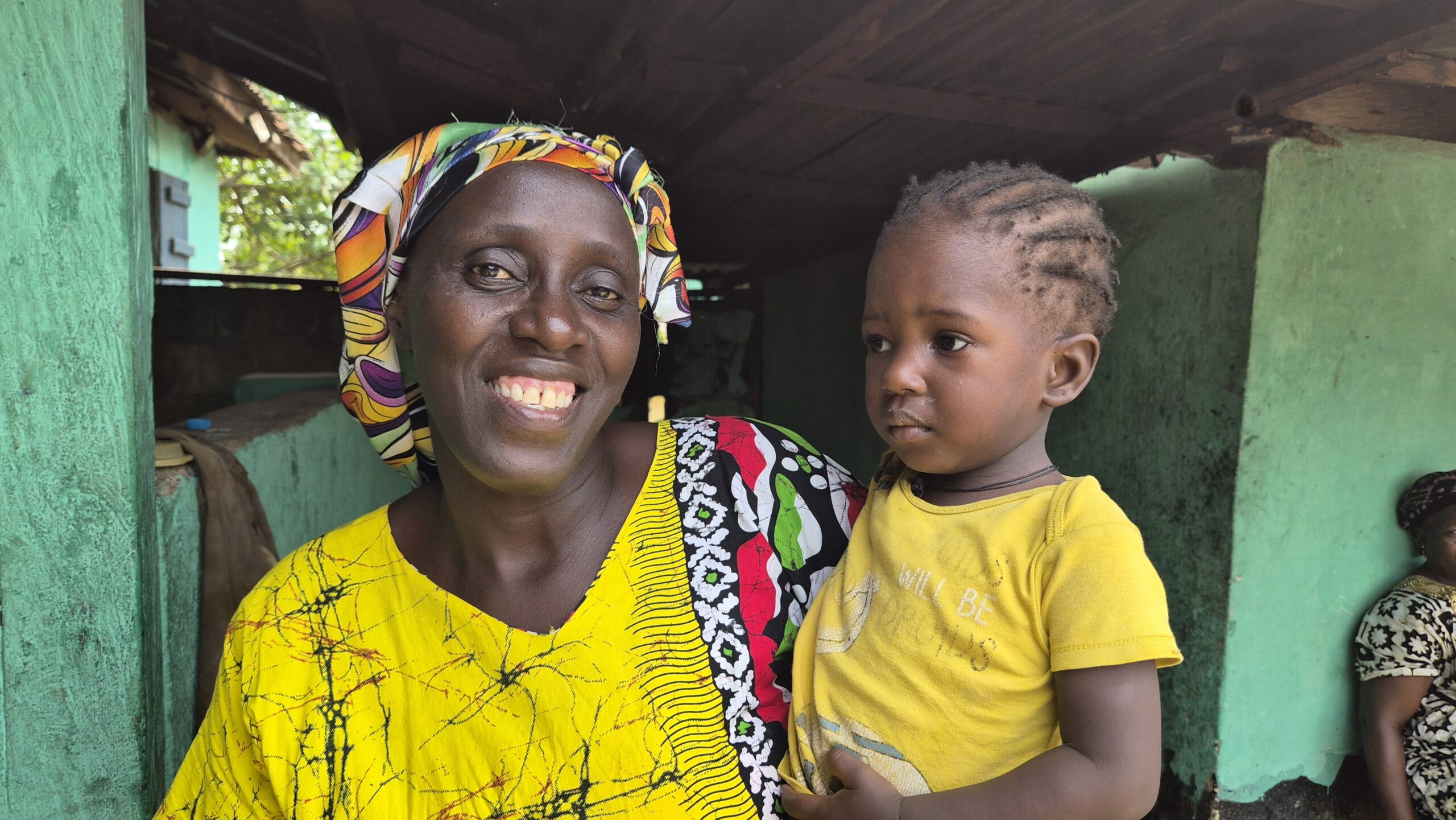
“Women Feed the Nation” is the motto of the Mulegoma Women’s Group in Kailahun, Sierra Leone, but it could describe the work of nearly every women’s group Right Sharing partners with across the West African country. While some groups run small businesses, the typical group also maintains a collective farming project, sometimes with help from Right Sharing’s country coordinator, Sallian Sankoh, who organizes land access when groups need it.
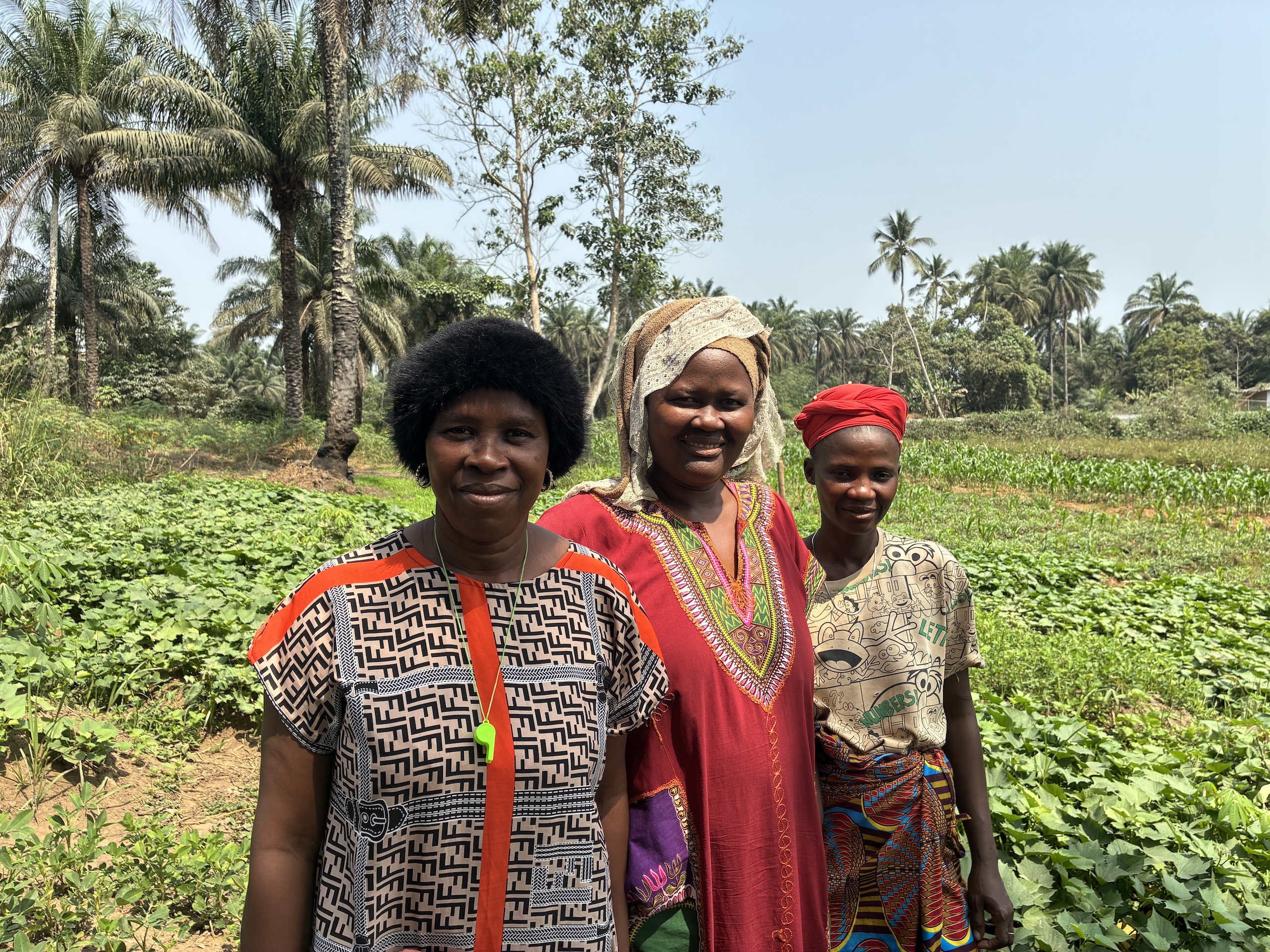
Farming in Sierra Leone happens against a backdrop of shaky food security, made more precarious by climate change. Rains arrive unpredictably, bringing drought one season and flooding the next. In Songo, the Tamarreneh Women’s Organization farms without irrigation, planting instead on low-lying land referred to as swamp, where “water comes from the ground.” There they grow corn, rice, cassava, groundnut, hot peppers, bananas, and plantains, along with a leafy green called krain krain, similar to spinach. Coconut and palm are pounded by hand into oil for cooking and selling, and the women also tend citrus, pineapple, mango, and other tree fruits. These crops feed families at home and also make their way to market.
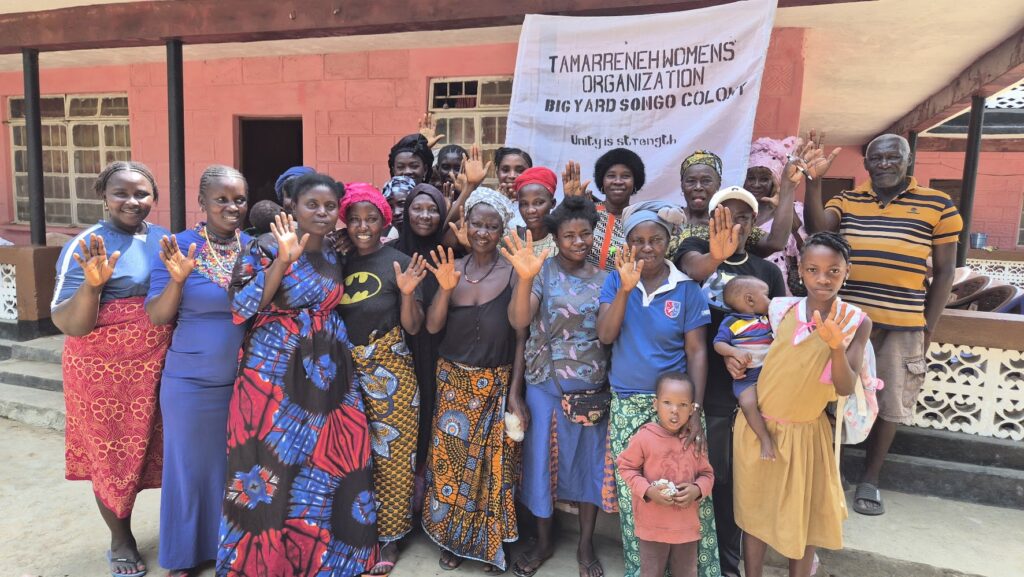
Right Sharing tailors its grant disbursement schedule to the agricultural calendar so funds reach the community before the rains begin — in time to purchase seeds and tools for community plots. Women also share seeds among themselves. If the crop is good, seeds are shared with women who aren’t in the group, stretching resources further and deepening collective self-reliance.
Beyond growing food, the top businesses among women’s groups are markets, both formal and the small front-porch stands that line village paths. Across Sierra Leone, women are involved in every phase of food’s journey, from production and distribution to preparation and cooking. Women are, in every sense, feeding the nation.